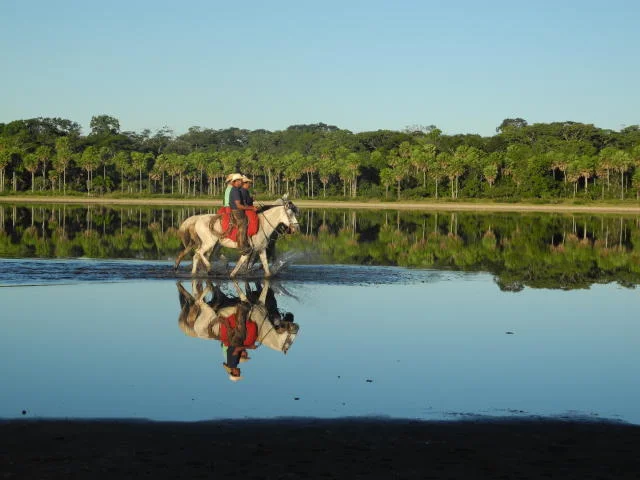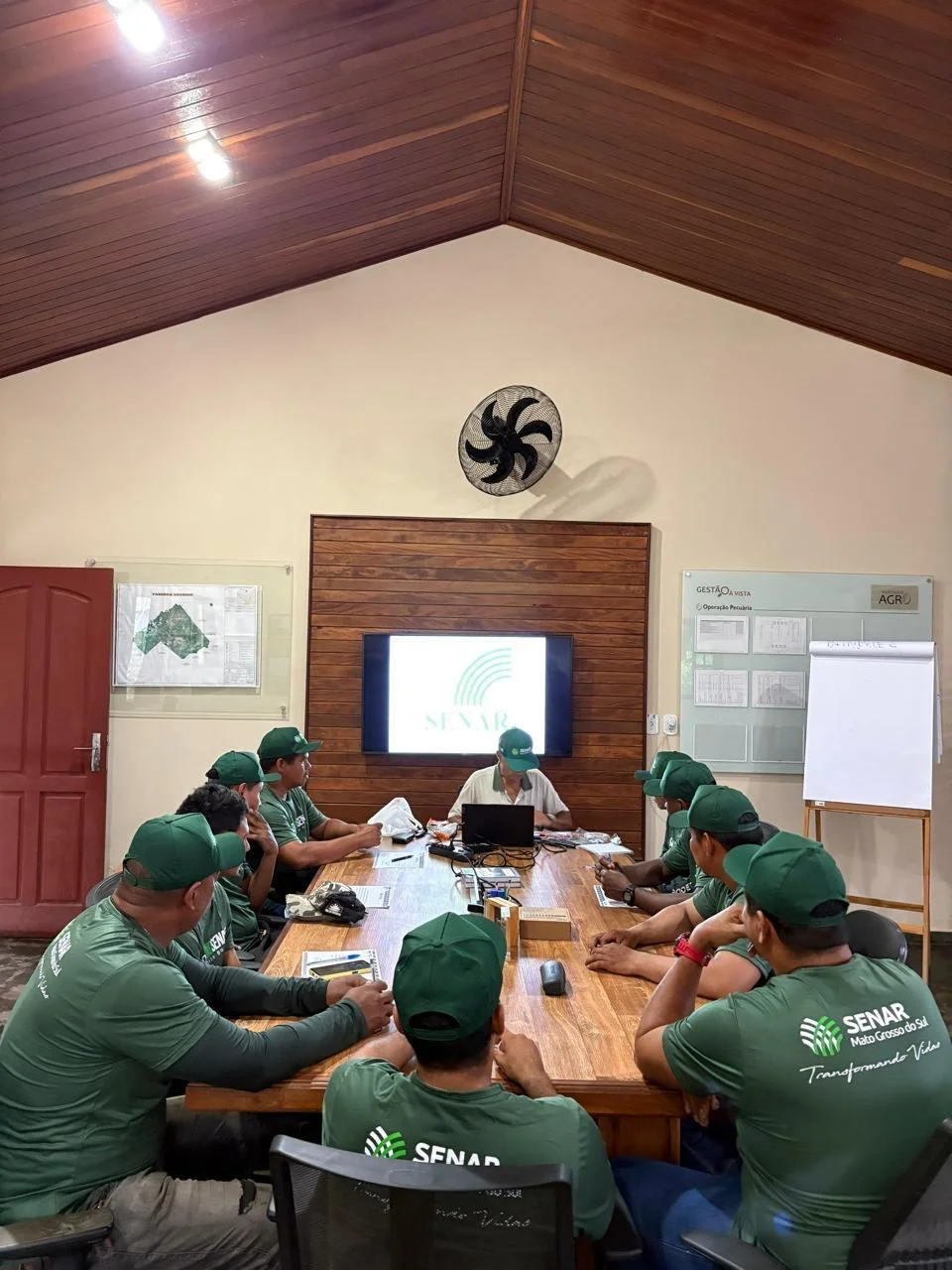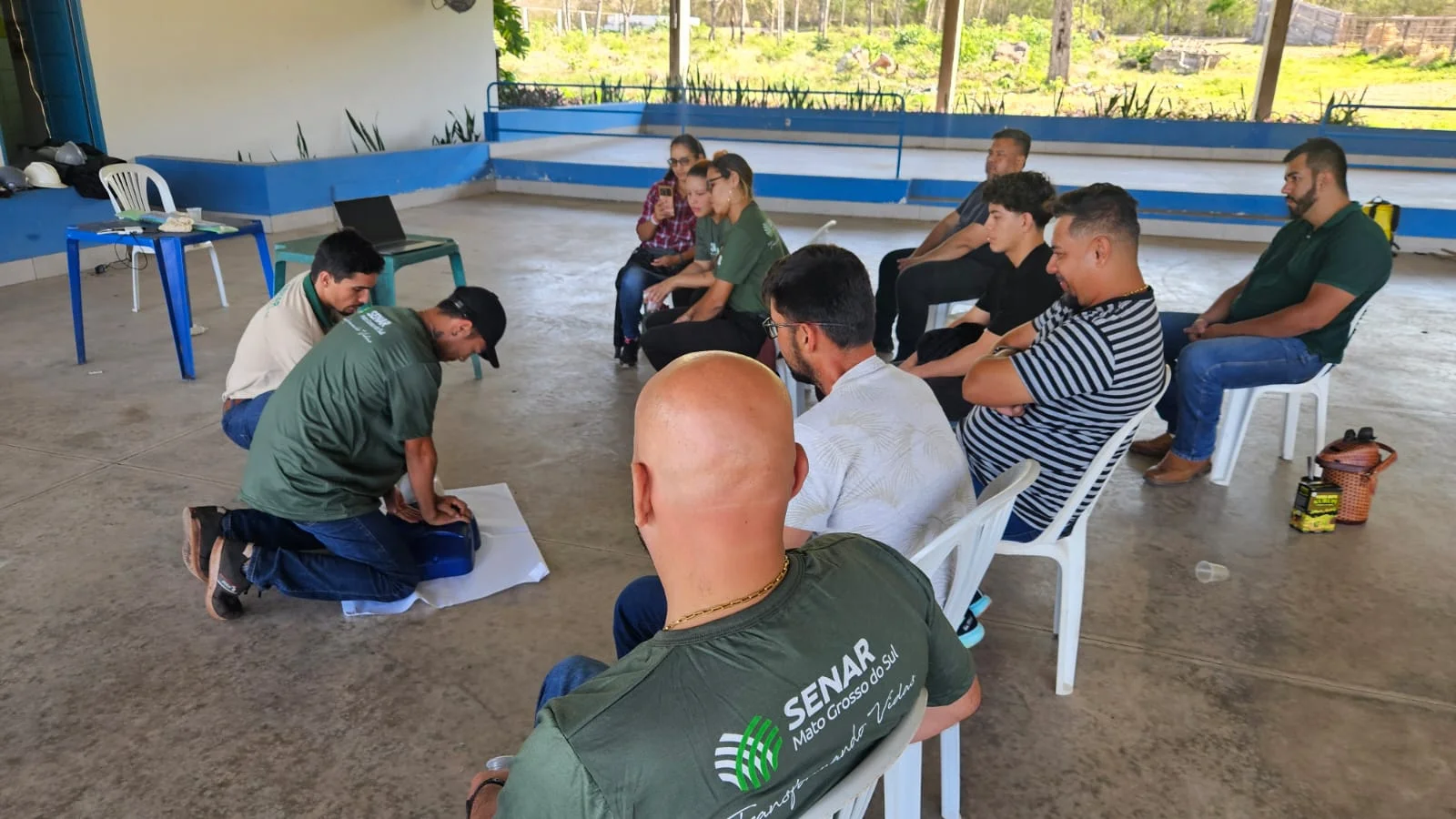
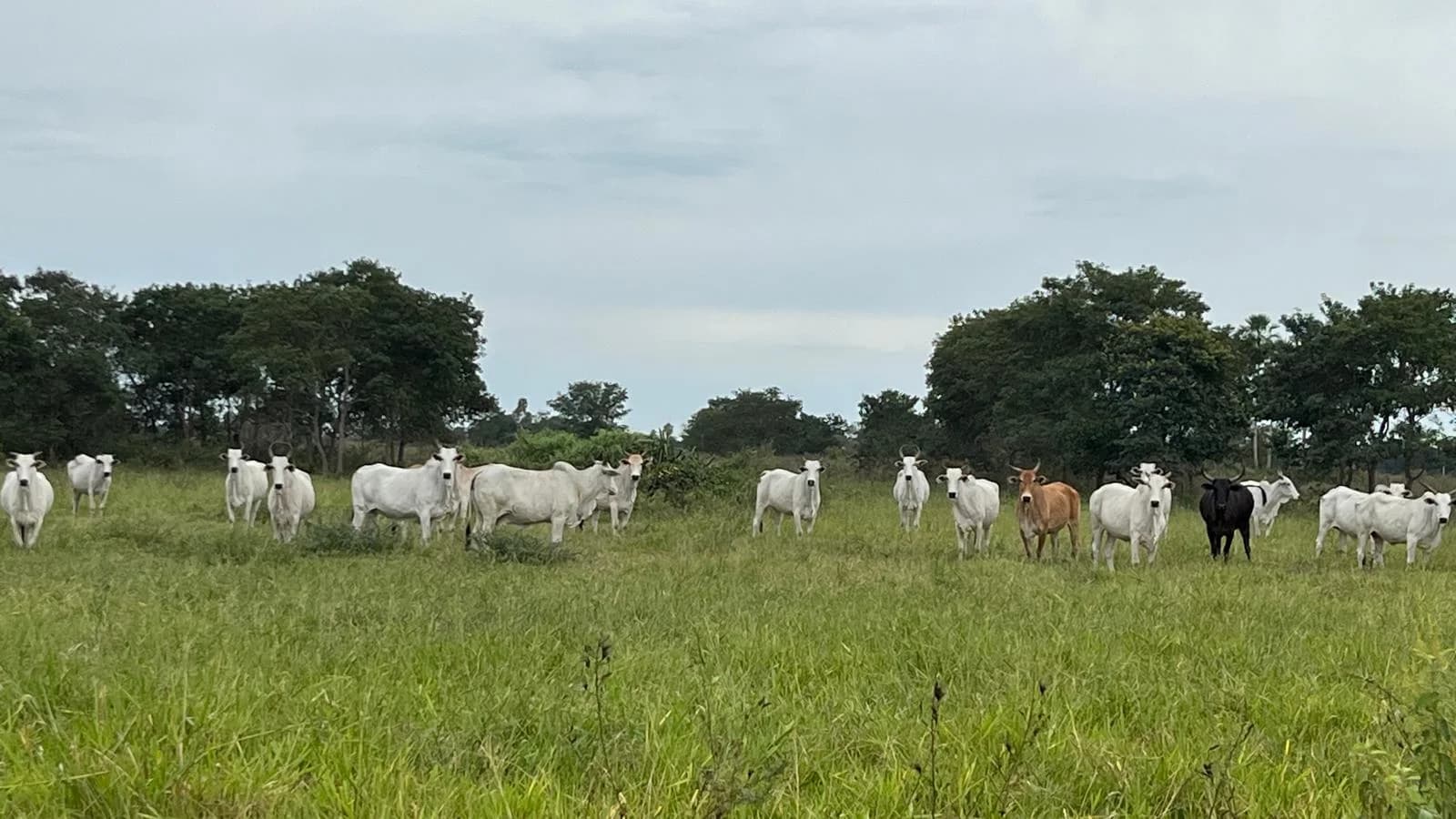
The Rural Union of Corumbá (Sindicato Rural de Corumbá) recently hosted researchers Richard Fischer and Caroline Salomão from the Thünen Institute of Forestry, Germany. The international delegation spent a week in Corumbá, Mato Grosso do Sul, to experience and collect firsthand data on the traditional pantaneiro extensive cattle ranching model and its historical coexistence with ecosystem conservation.
The field agenda, conducted from June 8th to 13th, included technical visits to traditional ranches in the Nhecolândia region, such as Fazenda Novo Horizonte, as well as a series of meetings with local producers, meat processors, and the board of the Rural Union. The municipality of Corumbá is home to one of the largest cattle herds in Brazil, with approximately 1.8 million head of cattle, making it a strategic landscape for analyzing global supply chains.
The initiative is part of an on-the-ground interview campaign conducted under the "EUDR Effects" research project. The study is being carried out by the German institute on behalf of the German Federal Ministry for Economic Cooperation and Development.
The core focus is to assess how the new European Union Deforestation Regulation (EUDR) will affect forests, landscapes, and producers in Brazil, and to evaluate its potential to reduce deforestation and greenhouse gas emissions. Under the new guidelines, starting in 2027, European beef importers must strictly guarantee that their supply chains are completely decoupled from deforestation.
Science, Dialogue, and Sustainability
To further understand the balance between sustainable protein production and local ecology, the researchers also held technical meetings with Embrapa Pantanal (the Brazilian Agricultural Research Corporation). For both the productive sector and European authorities, this exchange of practical knowledge is considered an essential step in shaping international foreign trade policies and deforestation regulation frameworks.
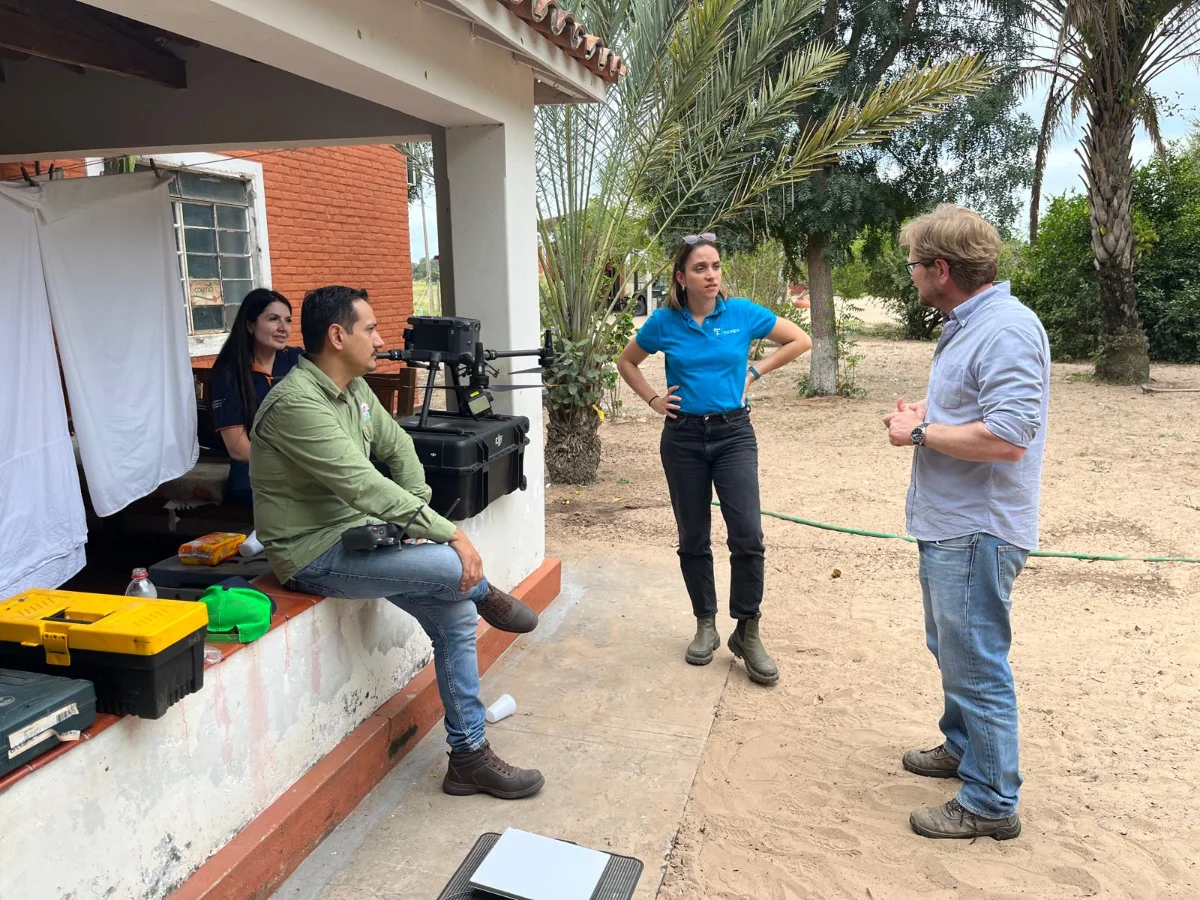
The German delegation expressed great impression with the history and active engagement of the pantaneiro families who have managed the region for generations.
The researchers emphasized the necessity of ensuring that the equilibrium between economic viability and ecological requirements remains intact. In an increasingly telecoupled world connected by export chains, meeting the demands of strict markets like the European Union is seen by local producers as both a compliance challenge and an opportunity to add value to the region's traditional, sustainable product.
“Cattle ranching has been in the Pantanal for over 300 years, and the men and women of the Pantanal have worked to understand and respect this territory. Producing with respect for the Pantanal's cycles, we are deeply committed to ensuring a product that is unique in the world, while also considering animal welfare and health to provide an animal protein that will feed families in Brazil and around the world. This commitment has spanned centuries, but perhaps because it is a routine in the Pantanal, it is not always talked about or highlighted. It must also be added that it is a remote region where access is difficult,” defended the president of the Rural Union of Corumbá, Stefano Santa Lucci Rettore.
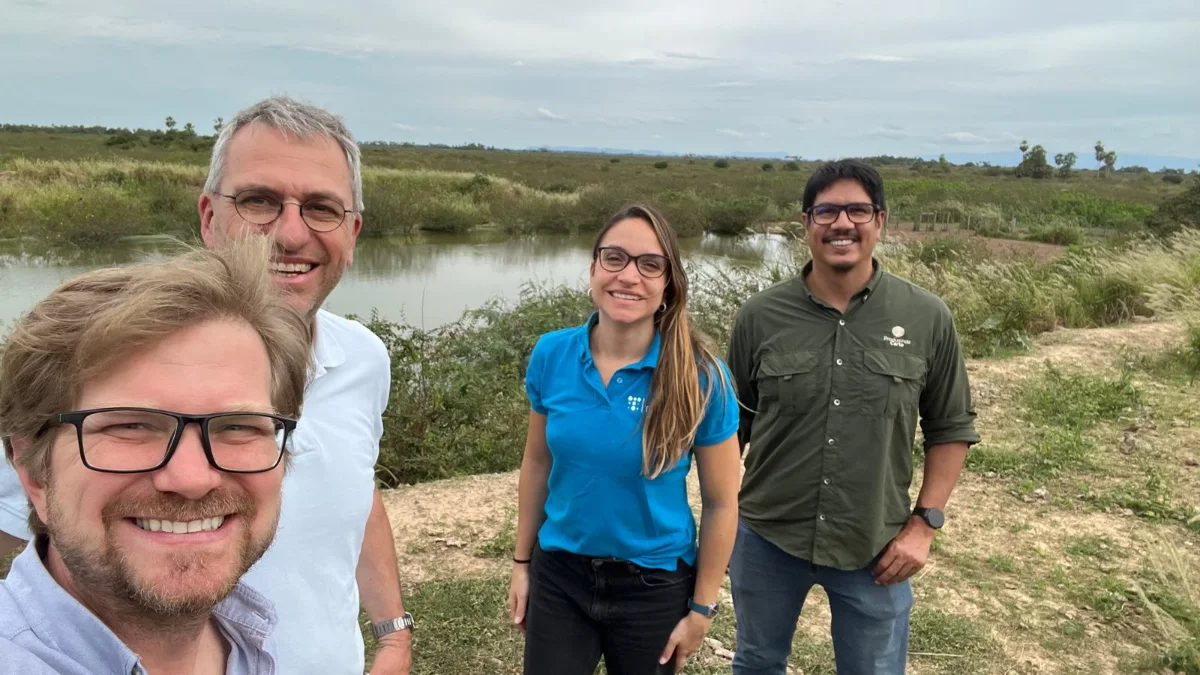
From Field Data to Global Decisions
The metrics gathered on the ground from the Pantanal herds will feed into mathematical and economic models developed at the Thünen Institute headquarters. This data-driven approach assists policymakers and the industry in building sustainable supply chains, directly aligning with international climate commitments, such as the Sharm el-Sheikh Joint Work on Climate Action on Agriculture and Food Security.
These topics were at the center of global environmental discussions during COP30 in Belém and are now gaining direct, practical applications on local ranches in Corumbá. The productive sector expects to demonstrate how the integration of European market demands can foster sustainable agriculture globally while protecting vital biomes like the Pantanal.
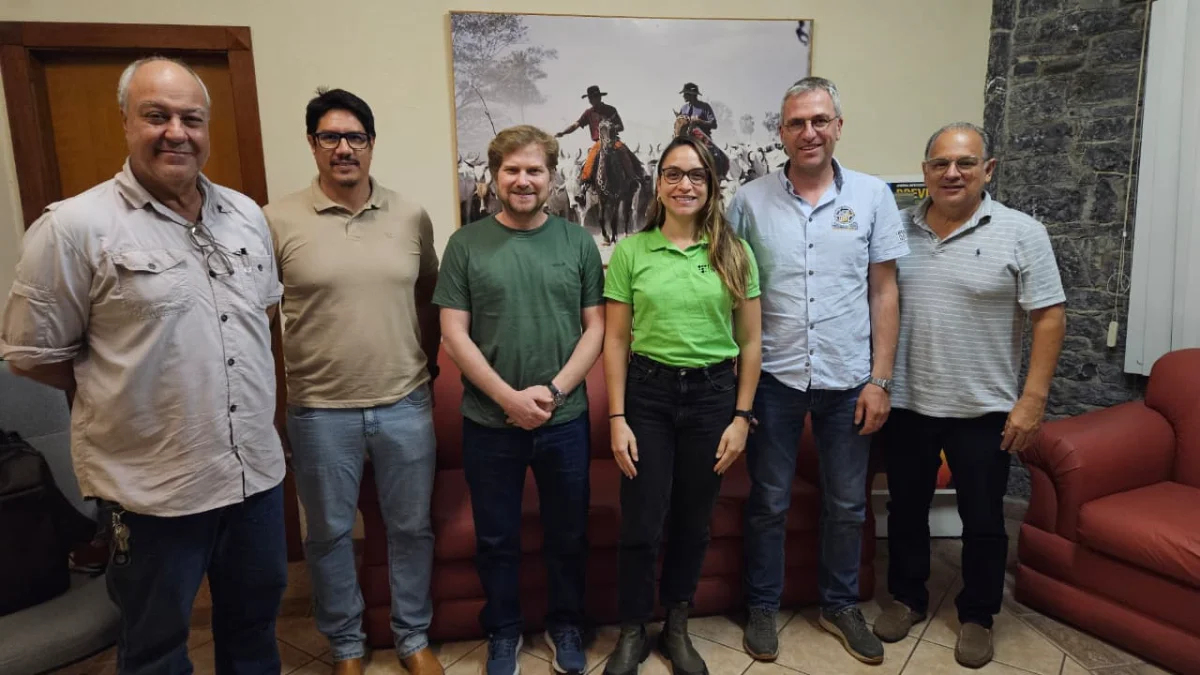
Important websites
Thünen Institute of Forestry -
https://www.thuenen.de/en/institutes/forestry
EUDR Effects research project
https://www.thuenen.de/en/institutes/forestry/projects-1/eudr-effects
German Federal Ministry for Economic Cooperation and Development
The productive sector's expectation is to demonstrate that the inclusion of qualified demands from the European market can stimulate the global competitiveness of meat from Mato Grosso do Sul, while simultaneously preserving the integrity of vital biomes such as the Pantanal.